
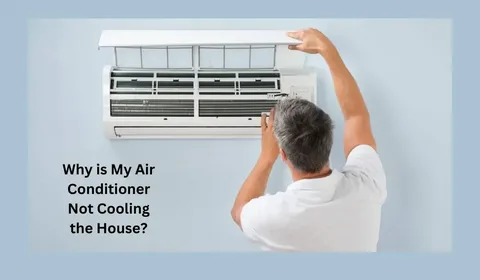
When an air conditioner operates but fails to lower indoor temperatures, an underlying issue may be affecting its performance. Common causes of poor cooling include blocked air circulation, incorrect thermostat settings, iced-up coils, refrigerant leaks, or damaged system parts. Recognizing these warning signs can help you decide whether a simple adjustment is enough or professional air conditioning repair is needed. For homeowners in Georgia, understanding these common cooling problems is especially useful during periods of high temperatures and humidity.
Tejada Heating & Air helps homeowners address heating and cooling concerns through appropriate inspection, maintenance, and repair services. Before scheduling an appointment, you can check a few basic things around your system. However, problems involving electrical components, refrigerant, or internal equipment should be handled by a qualified HVAC contractor.
Why Does Your AC Keep Running Without Making the Room Cooler?
An air conditioning system relies on proper airflow, refrigerant circulation, electrical controls, and heat transfer. If any of these functions is disrupted, the unit may operate without delivering enough cool air. Several problems can prevent your air conditioner from keeping your home at a comfortable temperature.
Restricted Airflow From a Dirty Filter
HVAC filters trap dust, pet hair, and tiny particles drawn in from the surrounding air. As these materials build up, they can obstruct airflow and make it harder for the air conditioner to cool your home effectively. Your air conditioner may run longer than usual, while some rooms receive less conditioned air.
Check the air filter following the equipment manufacturer’s guidelines, and install a new one if dirt buildup is blocking airflow. The replacement schedule depends on the filter type, household activity, pets, and operating conditions.
If the AC still struggles to cool after installing a clean filter, another issue may be disrupting air circulation. Professional A/C system maintenance can help identify restricted passages, dirty components, and other conditions affecting performance.
Thermostat Settings That Prevent Proper Cooling
The thermostat regulates the AC’s operating cycles by monitoring room temperature and signaling when cooling is needed. Is this conversation helpful so far? If the unit is set to Fan instead of Cool, it may circulate air without actively cooling it. Incorrect temperature settings, depleted batteries, or faulty controls can also affect operation.
Set your thermostat to cooling mode and choose a target temperature lower than the temperature currently inside your home. If the controls remain unresponsive or the system cannot maintain the requested setting, a technician can examine the thermostat and its connections.
If the thermostat continues to malfunction, installing a new unit may be necessary to restore reliable temperature control. A correctly configured thermostat also supports effective heating system maintenance and reliable temperature control throughout the year.
Ice Inside the Cooling System
Frost may accumulate on the AC’s indoor coil when air circulation is restricted or a fault affects the cooling process. This buildup interferes with heat absorption and may cause the unit to deliver weak airflow or warm air.
If you see ice around the indoor unit or refrigerant lines, turn off the cooling function and allow the system to thaw safely. Do not scrape the ice or attempt to dismantle the equipment. If freezing returns after the unit has thawed, arrange professional inspection.
A technician can check airflow, refrigerant conditions, and other components to identify the actual cause. Repeated freezing should not be treated as a normal operating condition because continued use may place additional strain on the equipment.
Refrigerant Leaks or Refrigeration Problems
An AC’s refrigerant absorbs heat from inside your home and carries it outdoors as part of the cooling cycle. When the system develops a leak or another refrigeration fault, cooling performance may decline. Possible signs include longer operating cycles, poor temperature control, and ice forming on parts of the system.
Unlike fuel, refrigerant circulates through a closed system rather than being consumed. A low refrigerant level often signals a leak or a problem that requires professional inspection. Simply adding more refrigerant without investigating the cause does not resolve the underlying problem.
A qualified AC technician can examine the refrigerant system, identify leaks, and carry out the necessary repairs. Because refrigerant handling requires specialized tools and proper training, this work should be left to a licensed professional.
An Outdoor Unit That Cannot Release Heat
The outdoor condenser expels the heat extracted from your home’s indoor air during the cooling process. Leaves, grass, dirt, and other obstructions around the unit can interfere with airflow. Dirty coils or a malfunctioning outdoor fan may also reduce the system’s ability to cool effectively.
Look for visible obstructions around the outdoor unit and keep the surrounding area clear according to the manufacturer’s recommendations. Avoid opening electrical panels or cleaning delicate parts without proper training.
If the outdoor unit makes unusual noises, fails to operate, or continues running without cooling the house, a professional inspection may be necessary. The malfunction may stem from a damaged fan, faulty wiring or controls, a condenser problem, or another part that needs professional HVAC repair.
Electrical or Mechanical Failure
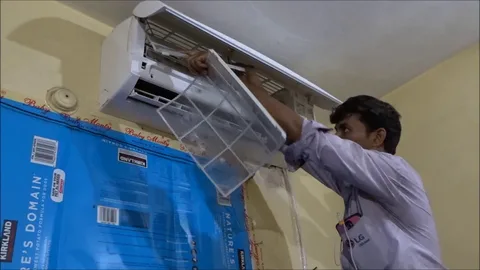
Air conditioners contain several interconnected parts, including motors, capacitors, sensors, and electrical controls. When a single part malfunctions, the AC may be unable to complete the process needed to cool your home properly.
Pay attention to repeated shutdowns, unusual sounds, burning smells, or breakers that trip repeatedly. If you notice electrical warning signs, switch off the system when safe and contact a qualified technician. Avoid switching a tripped circuit breaker back on repeatedly or handling electrical repairs without professional assistance. A professional HVAC contractor can diagnose the failure and explain whether a targeted repair or a larger equipment solution is appropriate.
What Should You Check Before Calling for AC Repair?
Basic checks can sometimes reveal why an air conditioner is underperforming. Begin by selecting cooling mode on your thermostat and setting a suitable indoor temperature. Examine the filter for dirt buildup, replacing it when needed, and ensure furniture, drapes, or other items are not obstructing the air vents.
You can also look around the outdoor unit for visible debris without removing panels or touching electrical components. Observe whether the system produces unusual sounds, develops ice, or shuts down unexpectedly.
These steps can help identify straight forward issues, but they cannot establish whether refrigerant levels, electrical parts, or internal components are functioning correctly. If your AC is still not cooling after basic checks, professional AC troubleshooting is the next sensible step.
When Do You Need Professional Air Conditioning Service?
Professional service is appropriate when an air conditioner repeatedly blows warm air, develops ice, produces weak airflow, or cannot maintain a comfortable indoor temperature. Persistent water leaks, unusual mechanical sounds, and frequent shutdowns are also reasons to arrange an inspection.
A qualified technician can examine the system, identify the source of the problem, and recommend a repair based on the findings. Depending on the diagnosis, the solution may involve cleaning, correcting airflow, repairing a failed component, or addressing a thermostat or refrigeration fault.
Homeowners looking for AC repair in Buford or an air conditioning contractor serving Lawrenceville should confirm that the provider serves their location and can work on their type of equipment. Tejada Heating & Air offers heating and cooling services for customers seeking help with system performance and equipment maintenance. When cooling fails during extreme heat, ask about available emergency AC services and appointment times. If indoor temperatures become unsafe, move to a cooler location while arranging assistance.
How AC Maintenance Helps Reduce Cooling Problems
Preventive maintenance allows a technician to inspect equipment before small problems interfere with comfort. A typical A/C system maintenance visit may include examining filters, checking electrical connections, evaluating airflow, inspecting coils, and reviewing system operation. The exact work depends on the equipment and its condition.
Regular maintenance can also reveal developing problems before they cause a breakdown. Replacing filters as recommended, keeping the outdoor area clear, and arranging periodic professional inspections are practical ways to support reliable operation.
Georgia’s warm seasons can place considerable demand on residential air conditioning equipment. Scheduling maintenance before the busiest cooling period gives homeowners an opportunity to identify potential concerns early.
Heating equipment also needs attention. Heating system maintenance helps identify wear and operating problems before colder weather arrives. For homes that use heat pumps, seasonal inspections can support both heating and cooling performance.
Should You Repair Your Existing AC or Replace It?
An air conditioner that stops cooling does not automatically need replacement. A dirty filter, incorrect thermostat setting, or certain component failures may be resolved without installing a new system. However, repeated breakdowns, major equipment damage, and declining performance may justify considering replacement.
Before deciding, compare the system’s age, repair history, current condition, efficiency, and expected repair costs. A qualified professional can explain the available options and help you understand the benefits and limitations of each.
If replacement is appropriate, AC installation or heating and air equipment replacement may be considered. Correct system sizing is important because an oversized or undersized unit can affect comfort, humidity control, and operating efficiency.
Ductwork should also be considered when airflow problems affect several rooms. HVAC duct and vent installation or modifications may be useful when an inspection identifies damaged, poorly configured, or inadequate air distribution components. For a complete solution, the contractor should investigate why the current system is failing rather than recommending replacement based on warm air alone.
Frequently Asked Questions
Why does my AC run but not cool?
A dirty filter, incorrect thermostat setting, frozen coil, or mechanical fault may prevent proper cooling.
Why is my AC blowing warm air?
Warm air may indicate restricted airflow, a thermostat problem, low refrigerant, or an outdoor unit fault.
Can a dirty filter stop an AC from cooling?
Yes. A clogged filter restricts airflow and can reduce cooling performance or contribute to frozen coils.
When should I call an AC repair technician?
Call a technician if cooling does not return after basic checks, or if the system freezes, leaks, or makes unusual noises.
Should I repair or replace my air conditioner?
The decision depends on the unit’s age, condition, repair history, and the cost of fixing the problem.