
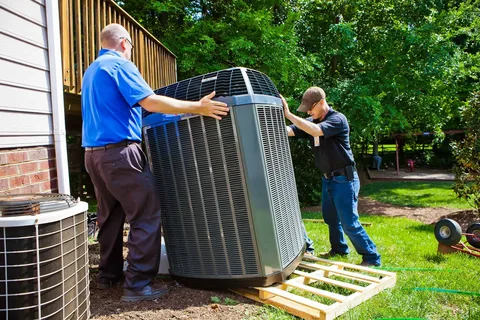
When it comes to cooling systems, a failure that happens during the hottest part of summer can put a strain on a home. When expensive equipment fails, homeowners often wonder if they should fix it or get a whole new one. When you’re deciding on AC replacement vs repair, we test out equipment to ensure you are making the correct decision. When it’s time to replace old equipment, you’ll get signs you need a new AC, and it can save your monthly finances from an onslaught of service costs.
AC replacement vs repair
Cooling systems degrade gradually over years of heavy seasonal operation. Understanding typical air conditioner lifespan milestones helps property owners anticipate equipment failure before a total breakdown occurs.
Age Thresholds: Units that are beyond 10 to 15 years old experience severe component fatigue, and their cooling efficiency decreases.
Refrigerant Phase-outs: Previous cooling systems that use R-22 Freon are expected to have very costly recharge costs because of federal environmental laws.
An increase in the use of electricity: A sharp increase in the amount of electricity billed each month can be a sign of poor compressor functioning or limited airflow.
Frequent Maintenance: If there are many visits by the technician and he/she is coming out to replace parts, it is a sign of more serious damage to the HVAC equipment replacement cycle.
Assessing The Financial Costs and System Efficiency
The decision to repair or replace large parts of a system or get a brand new system needs careful analysis of the finances. When comparing repair bills versus age, you won’t be wasting money on a machine that is falling apart.
The Rule of Thumb for Repair Costs
Take the estimated repair cost and multiply it by the age of your air conditioner. If this sum is higher than the price of a brand new unit, then it’s a better financial decision to replace it. Putting $1200 into a 12 year old system only postpones the inevitable.
Evaluating The Efficiency and Comfort Levels
Worn out compressors have a difficult time keeping rooms at the same temperature, causing dry pockets and hot spots around your house. Today’s systems are designed to make use of variable-speed technology and high SEER ratings to significantly reduce electricity usage.
Based on this assessment, the repair focus will be assessed according to the above factors, and the replacement focus will be assessed.
| Evaluation Metric | Repair Focus | Replacement Focus |
|---|---|---|
| Equipment Age | Under 8 years old | Over 12 years old |
| Repair Expenses | Minor component swaps under $400 | Major compressor or coil failure exceeding $1,500 |
| Energy Efficiency | Consistent monthly utility bills | Noticeable spikes in power consumption |
Why Hire Professionals?
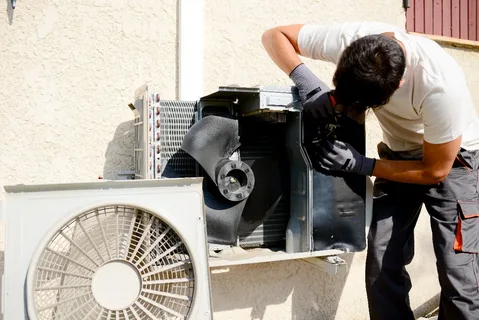
Cooling system upgrades can be tricky and need professional load calculations and exact equipment sizing. An incorrectly sized unit results in short cycling, inadequate humidity control, and system failure.
Tejada Heating and Air has trained technicians who specialize in effective home air conditioning enhancements. From a quick diagnosis to a full system replacement and AC repair costs, you can count on us to deliver expert installation skills.
Conclusion
During hot summer months, it’s essential to have effective cooling equipment that will keep you comfortable with ease. For aging systems, complete upgrades are a much better option than minor fixes, especially for the younger ones.
Many homeowners may consider tackling the task themselves, but it can cost you more than hiring a trusted and professional company if you make even a minor mistake. To prevent anything bad from happening, it is recommended to call our technicians to get the best possible results. We offer you professional and expert services for diagnostics and professional installation services tailored to your home. Talk to our team today to assess your cooling needs and get dependable performance.
Frequently Asked Questions
The expected lifespan of a standard residential air conditioner is for how many years?
A typical cooling system will keep running for 10 to 15 years, at which point mechanical deterioration or lack of efficiency will require a complete replacement.
At what time is it better to invest in a new air conditioner than repair it?
When repair costs are more than half the cost of a new unit, or your system is more than ten years old, it is more cost-effective to invest in replacing the system.
Why are my gas and electric bills higher in the summer?
Dirty coils, aged compressors, and refrigerant leaks cause your system to constantly run, increasing electricity costs while producing inadequate cooling.
Does an old air-conditioning system affect the air quality in a home?
Yes, moisture can often be a problem in older systems, and mold or mildew can build up in the ductwork inside the house, which hurts air quality.
What are the signs that I should look for if my HVAC equipment is failing?
If you experience frequent breakdowns, unusual noises, uneven heating and cooling, and pooling water around the room’s air handler, your HVAC system is on the verge of failure.